
This section explores the intellectual, philosophical, cultural, ideological, and other ramifications of gastromythology, through independent contributions by leading and emerging authors, thinkers, philosophers, scholars, sociologists, anthropologists, practitioners, and creative artists.

Caviar of the East: El Nido’s Legacy
Edible bird’s nest (EBN) soup, a luxury delicacy in Palawan, Philippines, is made from swiftlet saliva and esteemed for its health benefits. Historically consumed by Chinese elites, its trade reflects significant cultural narratives. However, swiftlet populations decline due to habitat disturbances and overharvesting, prompting local government concern and potential protective measures.
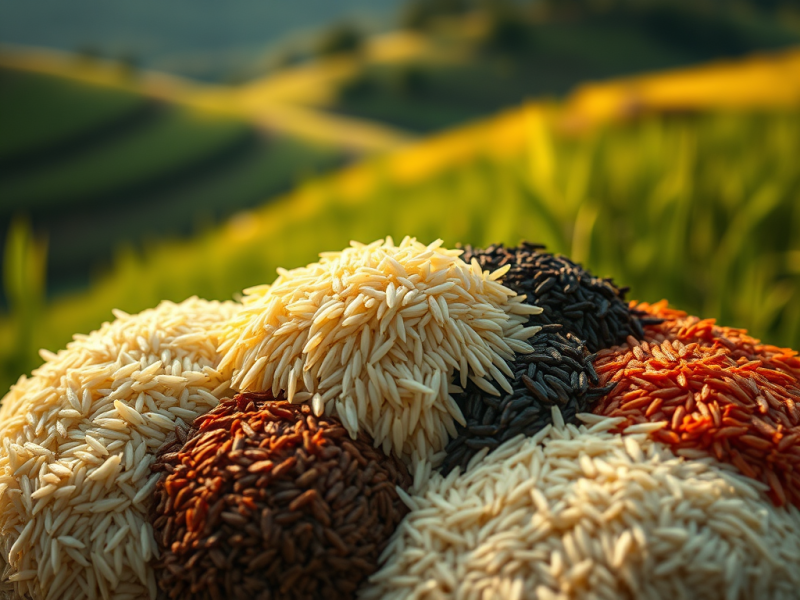
Where Rice Lost Its Soul: Trauma of Disenchantment/Re-enchantment
The Spanish colonization of the Philippines transformed rice from a sacred staple in indigenous cultures to a commodified product, resulting in economic exploitation and cultural trauma. Despite this disenchantment, heirloom rice varieties retain spiritual significance, suggesting a potential for cultural re-enchantment through movements that bridge tradition and modern consumption patterns.

Betel Nut Chewing: A Vanishing but Resuscitated Tradition and its Gastromythology
The Filipino hero José Rizal, celebrated for his subversive novels Noli Me Tangere and El Filibusterismo, incorporates culinary insights into the former—insights that are seldom, if ever, explored. This oversight is due to the novels’ pedantic classification as sociopolitical critiques of Spanish colonial rule spanning over three centuries. Within Noli Me Tangere is a detail on Filipino gastronomic memory—betel nut…
 GASTROMYTHOLOGY