
This section modestly attempts to explore gastromythology of foods, cuisines, and gastronomic legends from all across the globe.
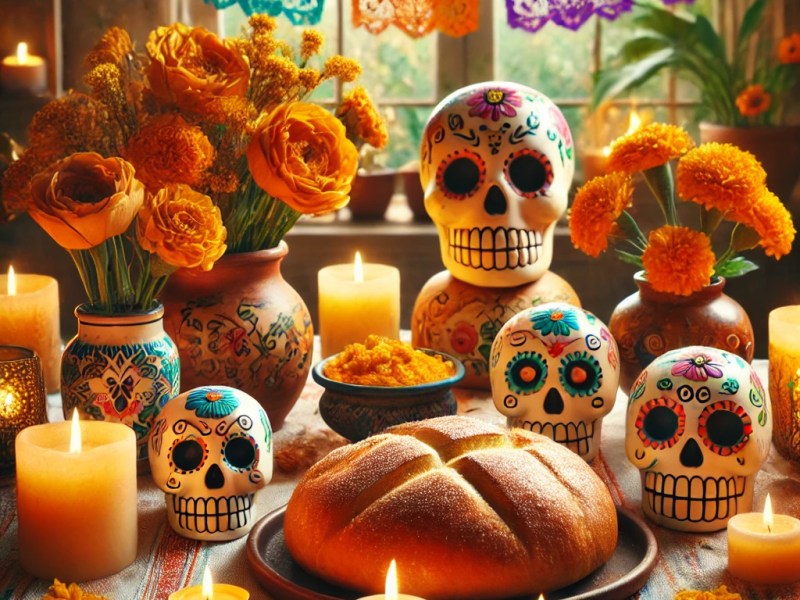
Día de los Muertos Ofrendas: Mexican Ancestral Culinary Mythology in the Framework of Gastromythology
Día de los Muertos, or the Day of the Dead, stands as a profound testament to Mexico’s rich tapestry of cultural rituals, where culinary practices are deeply intertwined with ancestral remembrance. Central to this celebration is the ofrenda, an altar laden with symbolic offerings that encapsulate the essence of gastromythology, as introduced and defined by…
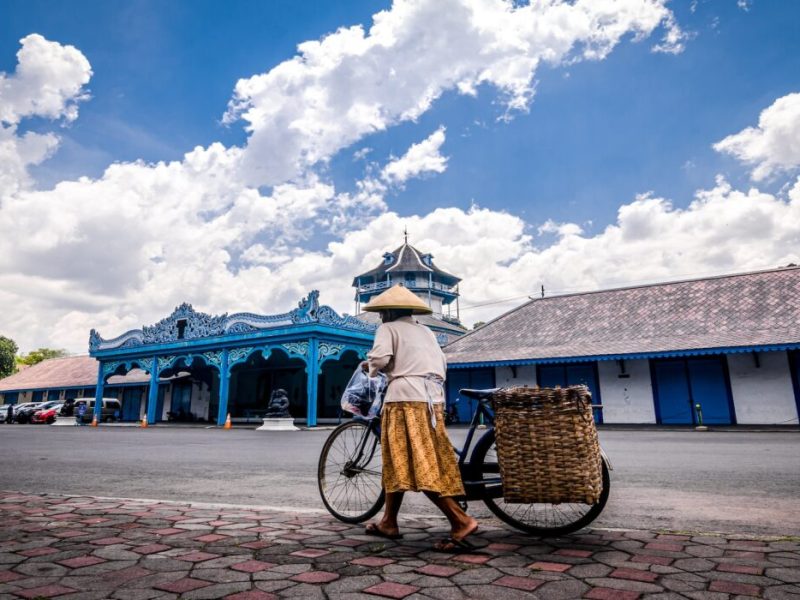
The Sewu Sewu Tradition of Java: A Gastromythological Exploration
The Sewu Sewu tradition, particularly exemplified by the Kirab Apem Sewu ceremony in Sewu Village, Surakarta City, Central Java, Indonesia, offers a profound lens through which to explore gastromythology—the study of the aesthetic rhythms of gastronomy as intertwined with cultural rituals and myths. Coined by Arup K. Chatterjee, gastromythology is a theoretical lens that investigates…

Balinese Food Myths: Culinary Narratives of the Island
Balinese cuisine is deeply rooted in the island’s spiritual, agricultural, and communal traditions, where food is not merely nourishment but a sacred act. The culinary practices of Bali are interwoven with mythologies that reflect Hindu influences, animist traditions, and indigenous rituals, all of which emphasize the harmony between nature, deities, and human life. From temple…
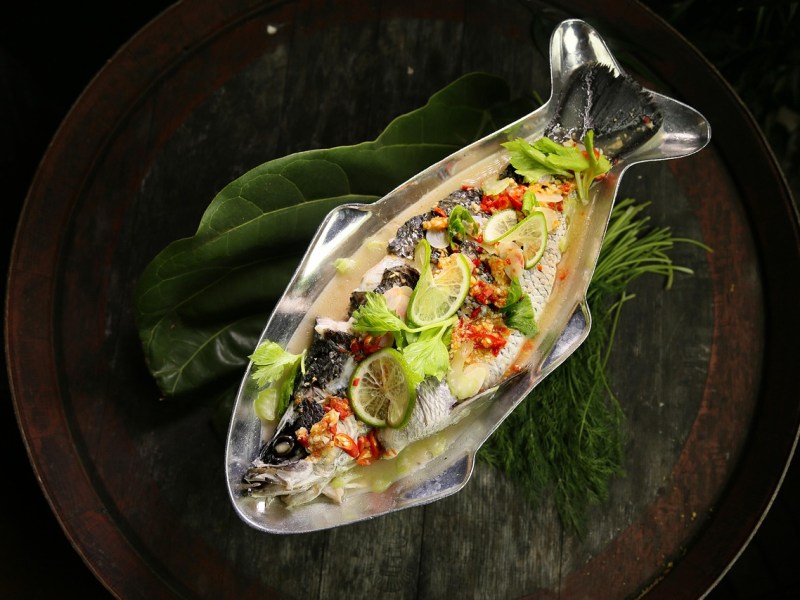
Thai Food Mythology and Gastromythology: A Culinary Exploration
Food serves as more than mere sustenance; it embodies history, culture, and mythology. Arup K. Chatterjee’s concept of gastromythology—the intersection of culinary traditions and mythic narratives—offers a compelling framework for examining national cuisines. In Thailand, food is deeply intertwined with folklore, religious symbolism, and national identity, creating a rich gastronomic mythology. Thai cuisine is not…
 GASTROMYTHOLOGY