
Welcome to the Gastromythology Dictionary—a conversational glossary where we unpack the specialized language of culinary legend and lore. Here, you’ll find clear definitions grounded in historical and cultural context, paired with vivid examples that show how each term animates the stories we tell about food. Whether you’re a researcher tracing the roots of a mythic recipe or an adventurous cook curious about a new concept, this section invites you to explore and draw from an emergent vocabulary that flavors our shared gastronomic imagination. All words in this section are coined by Arup K. Chatterjee.

Word of the Day | “Gastradigm” | The Gastromythology Dictionary | #7
A gastradigm is a foundational culinary framework that shapes a culture’s food practices, flavors, and dining rituals. It influences everything from ingredient hierarchies to meal structures. Cultural shifts in gastradigms highlight changes in societal values, power dynamics, and food associations, exemplified by historical and contemporary dining practices.
Word of the Day | “Feasthesia” | The Gastromythology Dictionary | #6
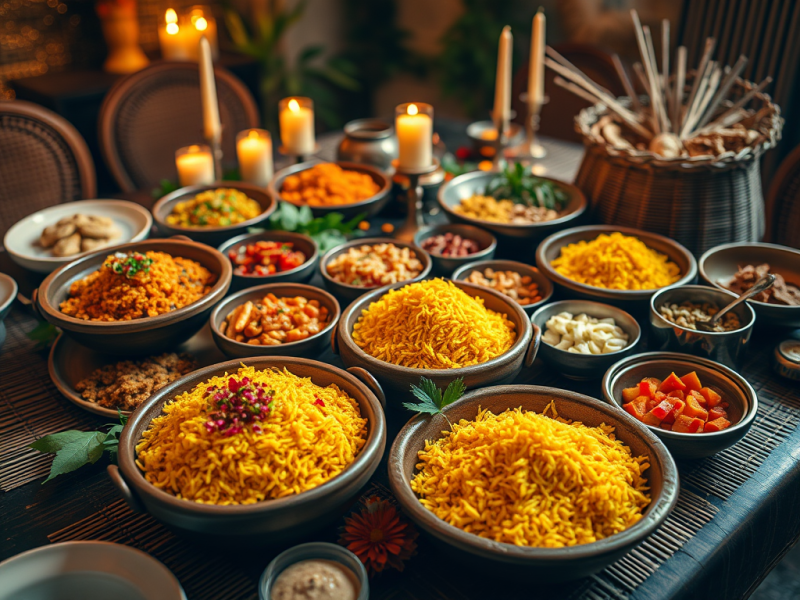
Feasthesia is a noun that describes the enhanced sensory experience and emotional response created by a banquet’s combined elements. It engages all five senses, transforming dining into an immersive event. Originating from the word “feast” and the Greek “aisthēsis,” it influences menu design and ceremonial pacing to amplify collective enjoyment.

Word of the Day | “Eclairvoyant” | The Gastromythology Dictionary | #5
Eclairvoyant/eɪˌklɑːrˈvɔɪənt/ noun Definition A pastry or confection whose layered flavors and textures seem to “foretell” or reveal hidden gastronomic narratives, guiding the taster toward deeper mythic or historical meanings. Etymology From éclair (a classic filled pastry) + clairvoyant (one who claims to see beyond the ordinary senses). Usage in Gastromythology Eclairvoyants are crafted to evoke…
Word of the Day | “Delectrilege” | The Gastromythology Dictionary | #4
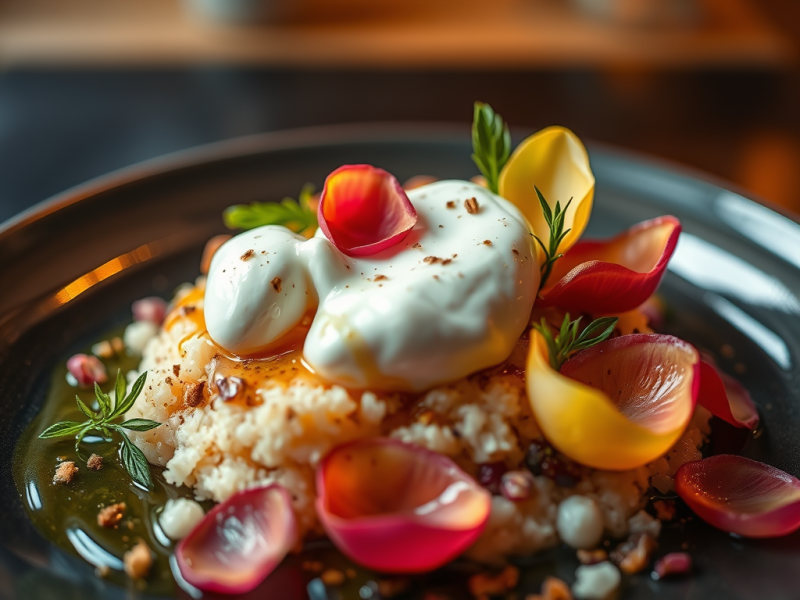
Delectrilege is a noun describing a joyful act of culinary “desecration,” where sacred dishes are playfully transformed using unexpected ingredients or techniques. This concept encourages diners to rethink food taboos. Examples include altering traditional recipes for innovative and provocative culinary experiences that challenge norms while delivering delight.
Word of the Day | “Carbohydrance” | The Gastromythology Dictionary | #3
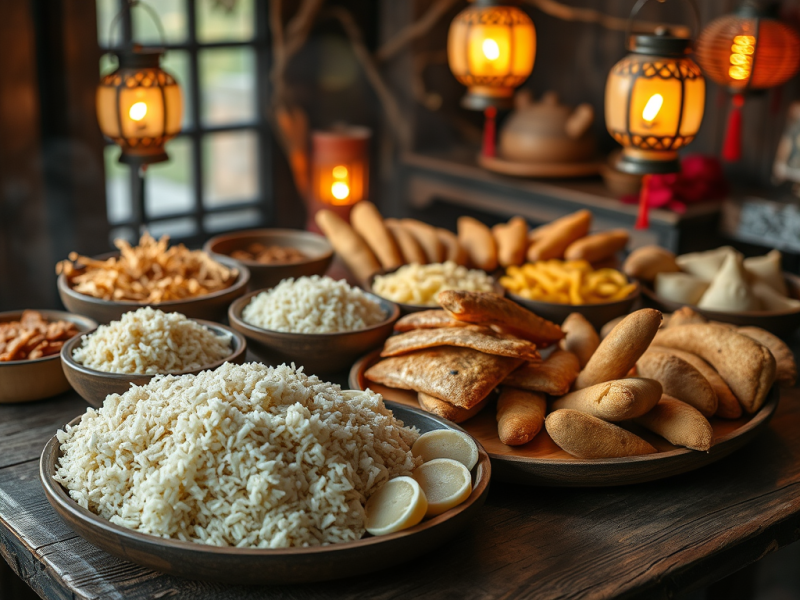
Carbohydrance refers to a trance-like state achieved through the communal sharing of carbohydrate-rich foods during rituals, fostering collective euphoria. This concept merges the rich tradition of using staple foods in celebrations with a structured, immersive dining experience aimed at enhancing mythic reenactment and deep shared remembrance among participants.
Word of the Day | “Bacchanibble” | The Gastromythology Dictionary | #2
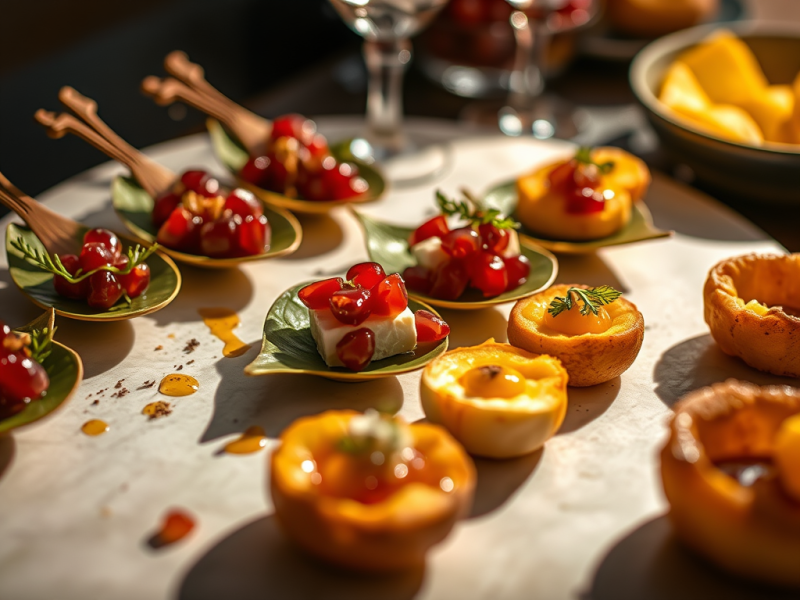
Bacchanibble refers to a luxurious small morsel intended to evoke the spirit of a mythic feast, blending opulent ingredients with artful presentation. Originating from the term Bacchanal and the concept of a nibble, these micro-experiences in gastronomy celebrate indulgence, often inspired by ancient festivities and legendary banquets.

Word of the Day | “Anachroliqueur” | The Gastromythology Dictionary | #1
Anachroliqueur signifies a unique spirit that merges ingredients and techniques from different historical eras to create a drink with a time-travel narrative. Its name combines ‘anachronism’ and ‘liqueur’, reflecting lost flavors paired with modern distillation. These drinks evoke culinary traditions, offering a taste experience that transcends time.
 GASTROMYTHOLOGY